


The South African citrus industry is preparing for a landmark season, with export projections reaching a staggering 215 million cartons. This anticipated growth, up from the 203.4 million cartons recorded in 2025, is primarily attributed to a combination of favourable growing conditions and the maturation of new plantings. While the La Niña weather pattern caused minor operational delays in the northern regions due to rainfall, the quality of the fruit remained largely unaffected, allowing the sector to maintain its upward trajectory.
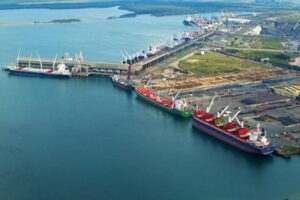
Logistics and port efficiency remain at the forefront of the industry’s strategy, particularly following the improvements observed during the previous year. The current season marks a significant milestone with the inauguration of the Durban Gateway Terminal, a joint venture between Transnet and International Container Terminal Services Inc. This development is expected to further streamline the movement of goods, although the industry remains heavily reliant on road transport. With 95 per cent of citrus still moved to ports by truck, rising input costs specifically diesel, fertiliser, and shipping continue to weigh heavily on profit margins.
Geopolitical tensions in the Middle East present a complex challenge for exporters, given that the region typically accounts for 19 per cent of South Africa’s citrus exports. While there has not yet been a significant diversion of volumes, the potential for dampened demand remains an underlying concern. To mitigate such risks, the Citrus Growers’ Association is actively pursuing expanded market access, focusing on refining cold treatment protocols for India and enhancing trade agreements with China to ensure a more diverse and stable export portfolio.
The economic significance of the sector is profound, having generated at least R40 billion in export revenue in 2025 and supporting vital rural livelihoods in provinces such as the Eastern Cape and Limpopo. However, industry leaders emphasise that long-term sustainability depends on rapid infrastructure development and increased private-sector involvement in freight rail. As Dr Boitshoko Ntshabele, CEO of the Citrus Growers’ Association, observed regarding the necessity of modernising transport links: “Private-sector involvement in rail is progressing, but it needs to happen at a much greater scale and a much faster pace.”